
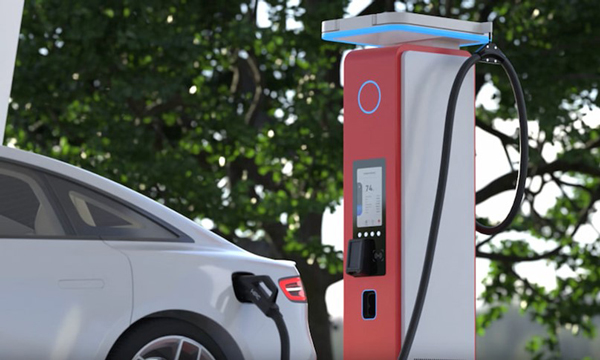
Electric vehicles are becoming increasingly popular, and having a home EV charger is one of the best investments you can make as an EV owner. This comprehensive guide covers everything you need to know about EV charger installation.
Types of EV Chargers
There are three main types of EV chargers:
- Level 1 (Slow Charging): Uses a standard 3-pin plug, providing 2-3 miles of range per hour
- Level 2 (Fast Charging): Requires a dedicated 7kW or 22kW installation, providing 20-30 miles of range per hour
- Level 3 (Rapid Charging): DC fast charging, typically found at public stations
Benefits of Home EV Charging
Installing an EV charger at home offers numerous advantages:
- Convenient overnight charging
- Lower electricity costs compared to public charging
- Increased property value
- Reduced carbon footprint
- Smart charging features and scheduling
Installation Requirements
Before installing an EV charger, consider:
- Available electrical capacity in your home
- Location of charging point (garage, driveway, etc.)
- Cable routing and distance from distribution board
- Internet connectivity for smart features
Grants and Incentives
Various grants are available to help offset the cost of EV charger installation. Check current government schemes and manufacturer offers to maximize your savings.
Ready to install your EV charger? Contact Aydo Electrical Innovations for professional installation services.